
Durable Carton Box Plastic Handles Make Heavy Lifting Effortless
Carrying a bulky, heavy carton box is awkward without a secure grip, often leading to dropped items or strained fingers. A carton box plastic handle solves this by snapping directly onto the box flaps or through pre-cut slots, giving you a firm, ergonomic hold. With this simple addition, you can effortlessly lift and carry even awkwardly sized boxes, distributing the weight more comfortably and reducing the risk of accidental slips.
Why Handles on Cardboard Packaging Matter for E-Commerce
For e-commerce, a carton box plastic handle directly solves the pain point of awkward package carrying, especially for heavy or bulky orders delivered to homes. Without a handle, customers struggle to grip smooth cardboard, increasing the risk of dropping items or damaging the box. A plastic handle provides a secure, ergonomic grip that simplifies one-handed transport from the doorstep into the house. This practical feature reduces return rates caused by external damage during the final delivery leg.
Q: Why do plastic handles matter for e-commerce packaging? A: They improve the customer’s unboxing experience by making heavy cartons safe and easy to carry, preventing accidental drops and damage upon arrival.
Reducing Damage During Transit with Ergonomic Grips
When a plastic handle has an ergonomic grip design, it dramatically cuts down on jostling and drops during transit. Instead of your fingers slipping or straining under weight, the contoured shape keeps your hold secure and balanced. That stability minimizes sudden jerks and tilts that cause items inside to crash into each other. By preventing those sharp impacts, the risk of dented corners or crushed contents drops way down. It’s a simple switch that makes the entire shipping process smoother for your back and your package’s safety.
Improving Customer Unboxing Experience and Brand Loyalty
A sturdy plastic handle transforms the first moment of contact with your brand. When a customer effortlessly lifts a heavy carton, frustration disappears, replaced by immediate relief. That smooth start directly builds lasting brand loyalty because it shows you care about their convenience. The handle eliminates awkward fumbling, letting the excitement of the product take center stage. A positive physical interaction makes the entire experience feel premium and thoughtful. Customers remember the brand that made their life easier. This small detail turns a mundane delivery into a memorable, shareworthy moment.
A comfortable handle on your carton box turns the first action of unboxing into a positive brand interaction, creating a seamless experience that naturally fosters customer loyalty.
Retail vs. Online Shipping: Different Handle Needs
Retail and online shipping impose distinct demands on e-commerce packaging handles. Retail boxes require ergonomic, fold-flat handles for repeated shelf handling and easy carry by customers. Online shipping prioritizes tamper-evident, recessed handles that survive high-speed sorting and drops without snagging. A logical progression emerges: first, assess the box’s destination to determine handle type. Second, for retail, select a flat, die-cut plastic handle. Third, for e-commerce, choose a recessed, heavy-duty handle that integrates with the box lid. This ensures the handle meets the user’s physical context, not a one-size-fits-all standard.
- Identify the box’s primary channel (retail store display or direct-to-home shipment).
- For retail, install an external flat plastic handle that folds flush for easy stacking.
- For online shipping, embed a recessed plastic handle that lies below the box surface to prevent automated machinery damage.
Types of Grips Commonly Attached to Corrugated Packaging

For corrugated packaging, the primary types of plastic handles are the die-cut tuck-in handle, which folds flat for shipping, and the snap-in riveted handle, offering permanent, heavy-duty support. A common variant is the molded T-grip, which provides a comfortable, ergonomic hold for larger cartons. While a flat strap handle lies flush against the box, a raised loop handle reduces pressure on your fingers during extended carrying. For multi-pack containers, a tape-applied polyethylene handle is frequently used for its quick application and strong adhesive bond to the corrugated surface. Each grip type balances ease of installation, load capacity, and user comfort, directly affecting how the carton is lifted in distribution or retail settings.
Molded Plastic Inserts and Their Durability
Molded plastic inserts are engineered for exceptional long-term structural integrity, locking into corrugated cutouts to create a rigid, permanent handle. Unlike adhesive strips, they resist tearing under repeated heavy loads because the plastic distributes stress across the entire die-cut slot. Their heat-formed shape maintains a secure grip even when the carton surface gets damp or scuffed. This fusion of material and design prevents the typical fatigue failures seen in simpler attachments, ensuring the handle survives rough handling without separating from the box.
Molded plastic inserts deliver unmatched durability by merging a heat-formed rigid shape with die-cut slots, preventing tear-outs and maintaining a secure, load-bearing grip through rough handling.

Die-Cut Handles vs. Added Plastic Components
When choosing between die-cut handles and added plastic components for corrugated packaging, the primary trade-off is cost versus durability. Die-cut handles are punched directly into the board, offering a low-cost, integrated grip that works best for lightweight cartons but can tear under heavy loads or during long carries. In contrast, added plastic handles—such as injection-molded loops or strap handles—are attached separately, providing superior load-bearing strength and comfortable ergonomics at a higher unit cost. The decision hinges on whether you prioritize reduced material waste (die-cut) or guaranteed structural support (plastic).
| Aspect | Die-Cut Handle | Added Plastic Handle |
|---|---|---|
| Load Capacity | Low to moderate | High |
| Attachment Method | Cut into board | Glued, riveted, or clipped |
| Comfort | Sharp or narrow edges | Rounded, ergonomic grip |
| Production Speed | Faster (single pass) | Slower (separate assembly) |
Reinforced Tapes and Hybrid Handle Systems
For a truly tough carry, check out reinforced tape and hybrid handle systems. These combine a plastic handle with a strong, filament-reinforced tape that sticks directly to the box. The tape spreads the load across a wide area, preventing the box from tearing. A hybrid system often means the tape anchors into the plastic handle itself for extra security. Applying them is simple:
- Find the center of gravity on your carton.
- Press the tape firmly onto the clean cardboard surface, ensuring full contact.
- Attach the plastic handle piece, which locks the tape in place.
This setup is fantastic for heavier items where a cut-out handle would fail, giving you a reliable, no-fuss grip.
Material Choices for Durable and Sustainable Carrying Solutions
The material choice for a carton box plastic handle directly impacts both durability and sustainability. Using recycled polypropylene (rPP) or high-density polyethylene (rHDPE) offers robust tensile strength for heavy loads while diverting waste from landfills. For enhanced longevity, a co-molded design with a rigid inner core and a soft, textured thermoplastic elastomer (TPE) grip reduces slippage and distributes weight, preventing early failure.
A shift from virgin to post-consumer recycled plastics maintains load-bearing capacity, proving carton box plastic handle that sustainable sourcing does not compromise user reliability.
Selecting a handle with a snap-fit or rivetless attachment into the corrugated board minimizes detachment risk, extending the entire box’s usable life through multiple trips.
Recycled Polypropylene Handles and Their Strength
Recycled polypropylene handles offer impressive strength for everyday carton box use, often matching virgin plastic in tensile durability. The material maintains rigidity even after reprocessing, ensuring your handles won’t snap under moderate loads. You get reliable performance without the environmental guilt. Recycled polypropylene handles deliver dependable strength for repeated carrying.
- Resists cracking and fatigue from frequent handling
- Retains stiffness even in warm warehouse conditions
- Works seamlessly with standard carton box attachment systems
Biodegradable Plastic Options for Eco-Conscious Brands
For eco-conscious brands, switching handles on carton boxes to compostable bioplastic alternatives directly reduces long-term environmental impact without sacrificing grip strength. These handles, derived from plant starches (like PLA or PHA), break down in industrial composting conditions, leaving no toxic residues. Practical options include handles blended with natural fibers for added tear resistance. The switch is straightforward: existing molding tools often require only minor temperature adjustments.
- PLA (polylactic acid) handles require industrial composting, not home bins, for proper degradation.
- PHA (polyhydroxyalkanoate) handles break down in marine environments, ideal for water-adjacent storage.
- Blended handles (e.g., starch with cellulose) offer comparable tensile strength to conventional plastic.
- Starch-based handles remain brittle in extreme cold; select PHA for freezer-safe applications.
Comparing Weight Capacity of Different Plastic Grades
When choosing a plastic handle for your carton box, polypropylene handle-grade selection directly dictates weight capacity. Standard polystyrene handles might snap under 15 kg, while reinforced high-density polyethylene (HDPE) variants reliably support loads up to 30 kg without deforming. Nylon-blended handles, though pricier, can handle dynamic stress from shifting contents, often exceeding 40 kg thresholds. The key is matching the plastic’s flexural modulus to your typical load, not just the box size.
- Polypropylene handles typically max out at 20 kg for static loads.
- HDPE handles offer 25–35 kg capacity due to higher impact resistance.
- Nylon-composite handles sustain 40+ kg, ideal for heavy industrial cartons.
- Avoid recycled LDPE for loads above 10 kg; its creep rate causes failure.
Design Considerations for a Comfortable and Secure Grip
The core challenge for a carton box plastic handle is balancing comfort against security during a carry. A rounded, slightly contoured grip spreads pressure across the palm to avoid digging in, while a subtle texture—like fine ribs or a matte finish—prevents slipping when hands are sweaty or gloved. The handle width should be generous (at least 20mm) to eliminate a “rope-burn” sensation.
The most secure grip often comes from an integrated finger groove or a slight thumb rest, which stops the handle from rotating in your hand.
Sharp edges are the enemy; every edge must be chamfered. For larger boxes, a shallow scalloped curve on the underside gives the fingers a natural nesting spot, reducing fatigue on longer carries.
Width, Thickness, and Finger Clearance for User Comfort
The optimal finger clearance of a carton box plastic handle directly determines user comfort. A handle width of 25–35 mm typically accommodates an adult hand without excessive spread, while thickness between 8–12 mm prevents pressure points on the palm. Insufficient clearance between the handle and the box surface (less than 15 mm) causes knuckle abrasion, whereas excessive clearance can reduce load stability. Balancing these dimensions ensures the fingers wrap naturally without strain during lifting.
Width (25–35 mm), thickness (8–12 mm), and finger clearance (15–20 mm) are the three core parameters defining ergonomic comfort in plastic handles.
Reinforced Attachment Points to Prevent Tear-Out
Reinforced attachment points directly counter the stress where the plastic handle meets the cardboard, a common failure zone. This is achieved by integrating a high-density load-bearing plate into the handle’s base, which distributes tension across multiple square inches of the box surface. The plate’s perimeter is often ribbed to increase rigidity and prevent flex-induced tearing. Thinner, cheaper handles omit this plate, concentrating all force at the die-cut insertion slot. Additionally, barbed or flared anchors on the insertion tabs lock into the cardboard, resisting pull-through even under shifting weight. A smooth, radiused edge where the strap meets the plate reduces localized cutting action during use.
How Handle Shape Affects Load Balancing
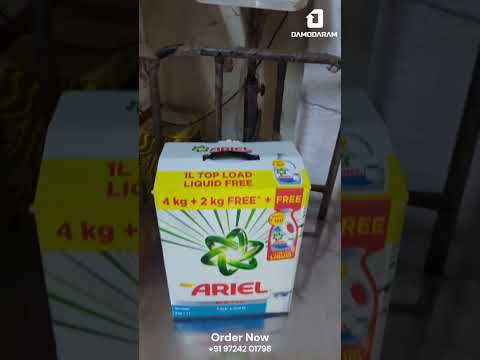
The handle’s shape directly dictates how the carton’s weight settles in your hand. A wide, flat profile spreads the load across your palm, which keeps the box from tipping forward or backward as you carry it. In contrast, a narrow, rounded design concentrates pressure and can cause the load to shift, throwing off your center of gravity. Curved contours that follow your natural grip geometry help the box stay level, while an angled or offset cutout encourages a more upright posture. This is why choosing the right profile matters for balanced weight distribution during lifting.
A handle’s shape determines whether the load sits stable in your palm or wobbles awkwardly—wide and curved profiles beat narrow, round ones for keeping a carton level.
Cost-Effectiveness and Logistics of Adding Plastic Grips
Adding plastic grips to a carton box plastic handle is a highly cost-effective upgrade, as the minimal material cost is offset by reducing box damage during transport, which cuts replacement expenses. Logistically, integrated grips streamline warehouse handling by eliminating the need for separate gloves or wrap, speeding up palletizing and shipment. Businesses often overlook that this simple addition can lower worker fatigue claims, indirectly reducing operational overhead. The slim profile of a grip adds negligible weight to shipping but allows for secure, repeated handling without tearing the carton’s structure.

Automated vs. Manual Application in Packing Lines
For carton box plastic handle installation, automated application systems drastically reduce per-unit labor costs on high-volume lines by achieving consistent cycle times under one second per handle, eliminating human variability. Conversely, manual application remains cost-effective for short runs or irregular box sizes, as it requires zero machinery investment and allows immediate line reconfiguration. The break-even point hinges on monthly volume; automated systems typically justify their capital cost when throughput exceeds 10,000 units per shift, whereas manual insertion—using simple jigs—avoids depreciation expenses for low-demand production.
Bulk Pricing and Customization Options
For carton box plastic handles, bulk pricing and customization options directly reduce per-unit costs while enabling brand-specific grip colors, lengths, or embossed logos. Ordering over 10,000 units typically unlocks tiered discounts, lowering handle prices by 20–35% compared to smaller batches. Customization—such as altering handle thickness for heavier loads—remains cost-efficient at scale, as mold modifications are amortized across the order. Standardizing handle dimensions for your box design cuts waste and further improves bulk pricing. Q: Can I mix handle colors in a bulk order without raising costs? Most suppliers allow color mixing within a single bulk run, provided the base handle design and material remain identical.
Impact on Shipping Weight and Dimensional Weight Charges
Adding plastic grips increases the carton’s total shipping weight, often by 20–50 grams per handle. This directly raises freight costs when billed by actual weight. However, the grip’s minimal thickness rarely alters the box’s outer dimensions, so dimensional weight charges typically remain unaffected. Only irregular, bulky handles that force a larger box trigger a dimensional weight penalty, negating any labor savings. Shippers should verify that the box’s length, width, and height stay constant after grip attachment to avoid unexpected cubic-rate spikes.
Adding plastic grips increases shipping weight slightly but usually does not change dimensional weight charges, unless the handle expands the box’s footprint.
Key Industries Where Handled Corrugated Boxes Excel
Handled corrugated boxes with plastic handles excel in the **e-commerce and retail fulfillment sector**, where the plastic handle enables single-handed carrying of heavy product assortments without box deformation. In the moving and storage industry, these boxes provide a secure grip for dense items like books or tools, preventing hand fatigue. For the automotive parts supply chain, the robust handle allows technicians to carry heavy components directly to workstations without sacrificing box integrity. Why do these industries prefer handled corrugated boxes over standard ones? Because the plastic handle distributes weight evenly, eliminating the need for additional straps or secondary packaging, making the box a self-contained, ergonomic solution.

Retail Ready Packaging for Large or Heavy Products
For large or heavy products, retail ready packaging with integrated handles eliminates the need for additional overpacking. The plastic handle must be reinforced with a load-spreading anchor plate inside the corrugated box to prevent tear-out during transport. A logical sequence for specification includes:
- Calculate the combined product and box weight to determine handle tensile strength requirements.
- Select double-wall or triple-wall corrugated board to resist bulge and stack compression.
- Specify die-cut finger holes that align with the handle’s strap position for ergonomic lifting.
This configuration allows staff to grip heavy units directly from the shelf-ready tray without re-palletizing, reducing handling time per unit.
Food and Beverage Delivery with Leak-Resistant Handles
For food and beverage delivery, a leak-resistant handle design is a game-changer. Plastic handles on corrugated boxes ensure a secure grip even when carrying heavy soda bottles or soup containers. The handle’s attachment stays sealed, preventing moisture from seeping through and weakening the box. This means delivery drivers can confidently haul multiple boxes without worrying about sudden handle failure or wet cardboard giving out. For restaurants and meal-kit services, it keeps the packaging intact from kitchen to doorstep, reducing spillage and customer complaints. You grab it, deliver it, and the box holds together perfectly.
Mail Order and Subscription Box Services
For mail order and subscription box services, a convenient carry handle makes all the difference. Subscribers love grabbing a recurring delivery without fumbling for a bag. The plastic handle on a corrugated box turns a simple package into a portable, drop-off friendly container. It helps customers easily tote their monthly curated goods from the doorstep to the kitchen counter. This small addition keeps the unboxing experience smooth and frustration-free, especially for heavier or bulky subscription items.
Mail order and subscription box services rely on the plastic handle to turn corrugated boxes into grab-and-go deliveries customers actually enjoy carrying.
Future Trends in Alternative Carrying Features

The carton box plastic handle is evolving beyond a simple cut-out. Future trends point toward biodegradable handle inserts made from compressed mycelium or cellulose pulp, which snap into the existing die-cut hole and offer the same tensile strength without petroleum. Another shift involves integrated textile loops—a soft, woven nylon ribbon permanently sealed into the box flap during manufacturing, replacing the brittle clip-on plastic. Users will grab a re-sealable, padded strap that converts the box into a reusable tote, eliminating the need for tape or separate bags. This transition feels natural: you lift a heavy container, and instead of a sharp plastic edge biting your palm, the handle molds to your hand, flexing without breaking.
Integrated Fabric or Rope Handles as Plastic Replacements
Integrated fabric or rope handles directly replace the rigid plastic ones traditionally die-cut into carton boxes. Woven polyester webbing or braided cotton cord is anchored through reinforced slits, creating a loop that bears weight without tearing the board. These soft handles improve ergonomics by distributing pressure across the fingers instead of into one plastic edge. The design eliminates sharp edges and allows the handle to lie flat during shipping. Fully integrated fabric or rope loops also prevent the detachment failure common with glued plastic inserts, making the carrier re-usable.
Integrated fabric or rope handles offer a durable, ergonomic, and non-detachable alternative to plastic, functioning as a seamless, load-bearing part of the carton itself.
Smart Handles with RFID Tags for Tracking
Smart handles with RFID tags for tracking integrate passive or active tags directly into the carton box plastic handle’s core, eliminating separate label attachment. Each handle’s embedded chip transmits a unique identifier when scanned, linking the box to inventory databases for real-time location logging. The handle’s structural material shields the tag from physical damage during stacking or transit, ensuring read reliability. This design transforms a simple carry point into a persistent data node without adding external components.
- Tags remain functional through cardboard and plastic interference, using UHF frequencies for long-range scanning.
- Handles can be molded with dual-chamber cavities to house the RFID inlay flush against the plastic surface.
- Read range reaches up to 10 meters with properly tuned antennas in the handle’s grip area.
- Battery-free passive tags endure hundreds of scanning cycles without replacement throughout the box’s lifecycle.
Modular, Reusable Handle Attachments for Returnable Packaging
Modular, reusable handle attachments transform returnable packaging by snapping onto standard carton boxes via integrated slots or magnetic mounts, eliminating single-use plastic handles. A single kit, built from reinforced polymer or metal, adapts to various box sizes through adjustable grips and locking mechanisms. These attachments withstand hundreds of cycles, with ergonomic padded grips that reduce hand fatigue during repeated transport. Users unclip the handle before collapsing the box for return shipment, thus slashing material waste and replacement costs. Reusable handle attachments directly integrate into reverse logistics, enabling operators to lift, tilt, or stack loaded cartons without damaging the corrugated board or the attachment itself.
Modular, reusable handle attachments for returnable packaging provide a durable, snap-fit carrying solution that survives multiple shipping loops on standard carton boxes, cutting waste and improving worker ergonomics.