
Exploring the cultural narratives surrounding gambling and its impact on society
The Historical Context of Gambling
The history of gambling is rich and varied, spanning countless cultures and civilizations. From ancient China, where games of chance emerged, to the lavish casinos of Las Vegas, gambling has woven itself into the fabric of societal norms. Historically, it has often served as a form of entertainment and social interaction. However, it also reflects deeper narratives, such as the struggle between morality and vice, shaping public perception and policy surrounding this activity. Many players enjoy the extensive offerings available at villentocasino-nz.org, where they can experience this captivating history firsthand.
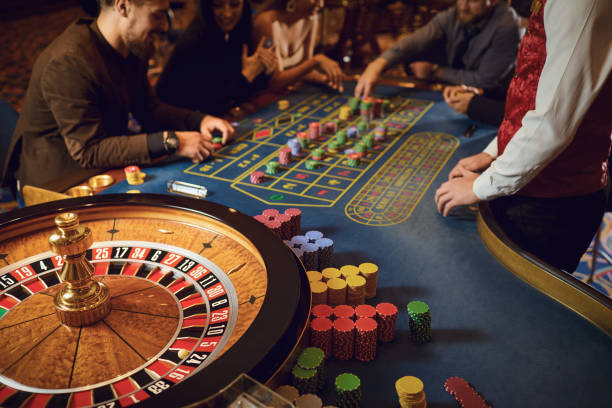
In many cultures, gambling is viewed through a dual lens. On one hand, it represents a chance for wealth and fortune, often romanticized in literature and media. On the other hand, it is frequently associated with moral decay, addiction, and societal fallout. These contrasting views inform the legal and regulatory frameworks governing gambling activities, influencing everything from local policies to national laws. The balance between allowing freedom of choice and safeguarding public health continues to evolve.
Moreover, the historical context of gambling reveals its role as a social equalizer. People from various backgrounds engage in gambling, creating spaces where class distinctions blur. Traditional games, such as poker and roulette, often attract diverse participants, fostering a sense of community. However, this inclusivity also brings challenges, as vulnerable populations may fall prey to gambling’s darker side, raising questions about responsibility and societal impact.
The Role of Luck and Skill in Gambling
The age-old debate of luck versus skill plays a significant role in how gambling is perceived culturally. Many traditional games, such as slots and roulette, are predominantly based on chance, with outcomes determined by random number generators. This randomness creates a sense of excitement and anticipation, drawing players into an exhilarating experience. The cultural narratives surrounding these games often highlight the thrill of the unknown, positioning luck as a powerful force that can dramatically change one’s fortune in an instant.
Conversely, games like poker and blackjack involve a considerable degree of skill and strategy, adding another layer to the gambling narrative. In these contexts, players who invest time in learning the nuances of the game can potentially achieve better outcomes. This element of skill cultivates a competitive spirit and fosters a community among players, who often share strategies and experiences. It also brings a sense of legitimacy to gambling as a profession, as skilled players can earn substantial incomes.
These narratives influence societal attitudes towards gambling, often shaping perceptions of legitimacy and responsibility. When individuals view gambling primarily as a game of skill, they may be more inclined to participate, seeing it as a challenge rather than a vice. However, when luck dominates the conversation, concerns about addiction and reckless behavior can overshadow the potential for positive engagement. Striking a balance between recognizing the roles of luck and skill is essential for developing a well-rounded understanding of gambling culture.
Cultural Representations of Gambling in Media
The portrayal of gambling in various forms of media significantly influences public perception and cultural narratives. Films, television shows, and literature often romanticize the glamorous lifestyle associated with gambling, showcasing high-stakes games and charismatic players. These representations can evoke excitement and allure, drawing individuals into the world of chance. However, they also perpetuate stereotypes and may lead to unrealistic expectations about the gambling experience.
Moreover, these cultural representations often highlight the consequences of gambling, illustrating the potential for addiction and financial ruin. Films such as “Casino” and “Rounders” showcase the darker side of gambling, emphasizing themes of loss and desperation. These narratives serve as cautionary tales, reminding society of the risks involved. As a result, they contribute to the complex relationship between gambling and societal values, often reinforcing the moral dilemmas inherent in the activity.
Additionally, cultural representations can impact policy discussions surrounding gambling. As society grapples with the benefits and drawbacks of gambling, media portrayals can shape public opinion and influence regulatory frameworks. By portraying gambling as either a thrilling adventure or a perilous endeavor, these narratives inform discussions about the need for responsible gaming practices and the protection of vulnerable populations. Thus, the intersection of media and gambling continues to evolve as cultural attitudes shift.
The Impact of Gambling on Community Dynamics
Gambling can have profound effects on community dynamics, influencing social cohesion and economic conditions. In many areas, particularly those reliant on tourism, casinos serve as major sources of revenue and employment. The influx of visitors creates jobs and stimulates local businesses, contributing to economic growth. However, this influx can also lead to a range of social challenges, including increased crime rates and social inequality, as not all community members benefit equally from this economic activity.
Furthermore, the presence of gambling establishments can alter the social landscape of a community. While they may offer entertainment and social interaction, they can also attract individuals struggling with addiction, leading to strained community resources. As gambling becomes more accessible through online platforms, its impact reaches even broader audiences, raising concerns about addiction and its effects on family dynamics. The interconnectedness of these issues underscores the need for comprehensive support systems within communities.
Community responses to gambling vary widely, from embracing it as a source of pride to advocating for restrictions. Grassroots organizations often emerge to address the negative consequences of gambling, promoting awareness and support for those affected by addiction. These movements can lead to meaningful dialogue about responsible gaming and the importance of protecting vulnerable populations. Ultimately, understanding the multifaceted impact of gambling on community dynamics is essential for fostering healthier societies.

The Role of Online Casinos in Modern Gambling Culture
The rise of online casinos has transformed gambling culture, making it more accessible than ever before. Platforms like Villento Casino offer a vast array of games, allowing players to engage from the comfort of their own homes. This shift has democratized the experience, attracting diverse demographics, including younger audiences who may have previously felt excluded from traditional gaming venues. The convenience and variety of options cater to a wider range of preferences, reshaping the landscape of gambling.
Online casinos also emphasize responsible gaming practices, providing tools and resources to help players manage their gambling experiences. This focus on player protection is crucial, as the anonymity of online gaming can lead to excessive play and potential addiction. By promoting responsible gaming, platforms like Villento Casino aim to create a safer environment, encouraging healthy engagement while still providing the thrill of chance.
Moreover, the online gambling industry is continually evolving, incorporating new technologies such as virtual reality and live dealer games to enhance the player experience. These innovations not only attract players but also redefine the social aspects of gambling. The ability to interact with dealers and other players in real-time fosters a sense of community, bridging the gap between online and offline experiences. As online casinos continue to grow, they will undoubtedly play a pivotal role in shaping the future narratives surrounding gambling and its impact on society.